The ultimate pushbutton guide
This useful guide has been designed to show you how pushbutton switches work, their uses and the different types available, so that you can find the best switch for your application.
Imagine a world without pushbuttons: no lights at the flick of a switch, no starting your car at the touch of a button, and no easy control of your electronic devices: pushbuttons are the unsung heroes of our everyday lives, making our lives simpler and more efficient.
This white paper invites you to delve into the fascinating world of pushbuttons. Whether you’re a seasoned engineer, a passionate DIY enthusiast or simply curious to understand how these little devices influence our world, this guide is for you.
We’ll explore the inner workings of pushbuttons, discover the different types of contacts and understand their varied applications. You’ll learn how to choose the ideal pushbutton for your specific needs, install it correctly and maintain it for optimum performance.
Get ready to discover how these essential, often underestimated components play a crucial role in the safety and efficiency of our electrical systems. By following this guide, you’ll be armed with valuable knowledge to improve your projects and installations.

A pushbutton controls an action or process in a machine. Also known as pushbutton switches, these small but fundamental components can be found almost everywhere!
In fact, they are used to interface the order given by Man to a machine. They are therefore widely used in the home, in transport and in the workplace.
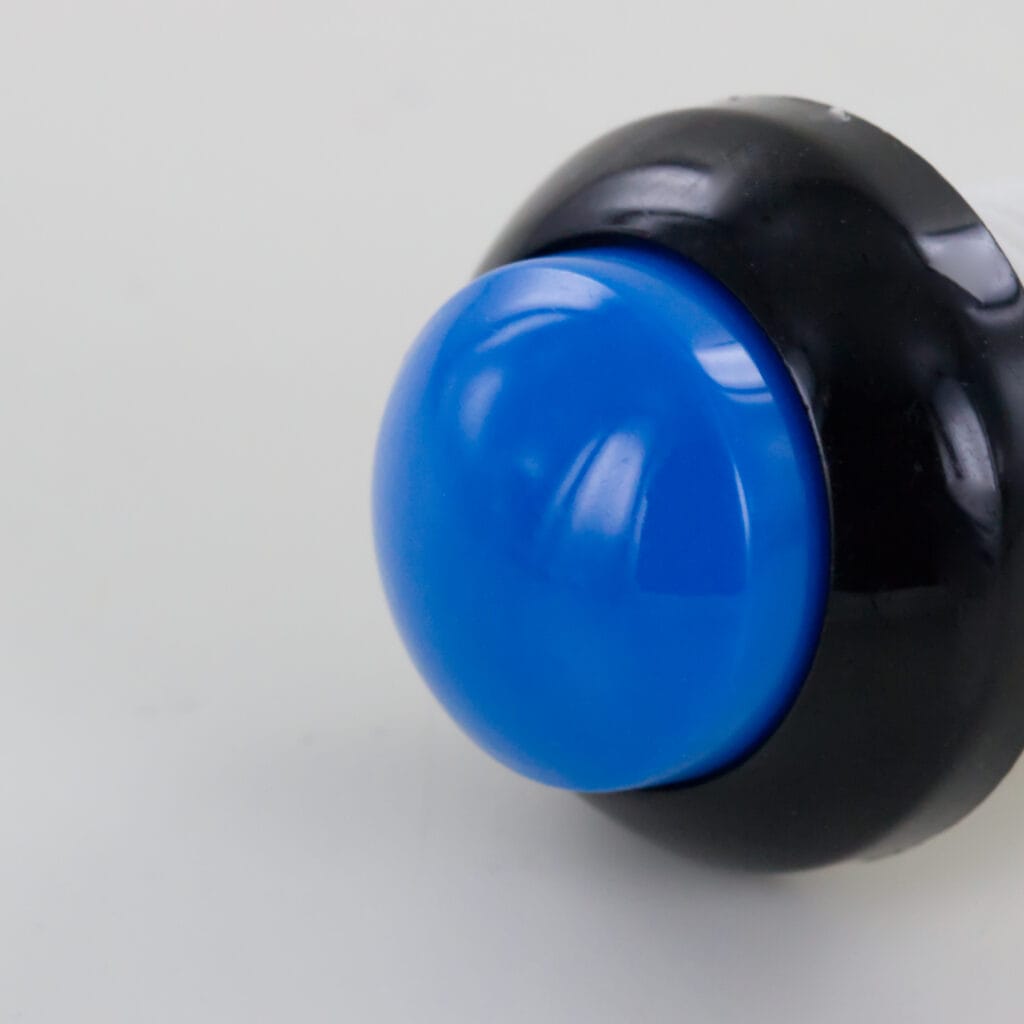
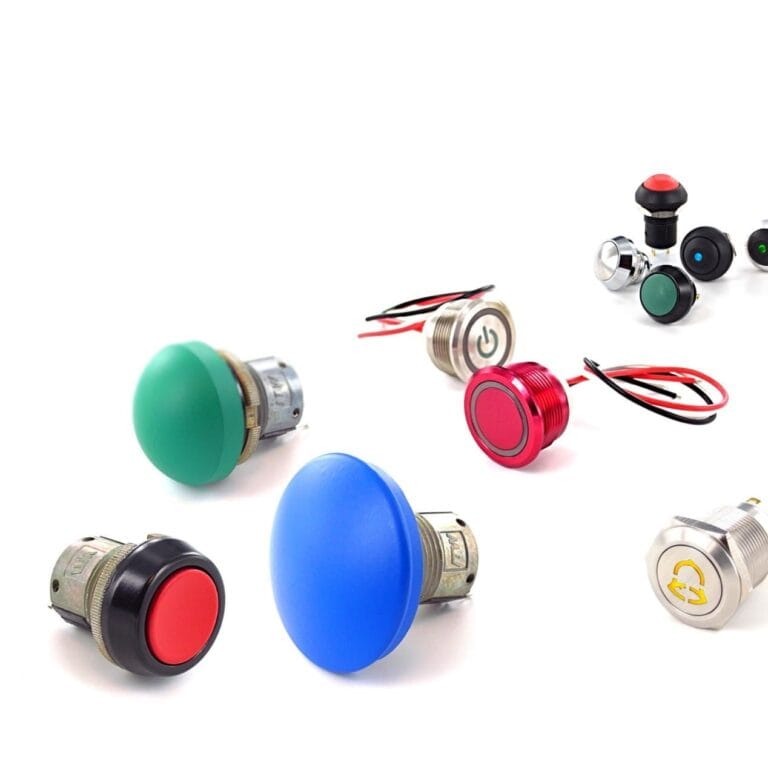
They are designed to be easily identifiable, and pushbuttons will generally be made from durable, hard-wearing materials such as plastic or metal ensuring them a very long service life. The shape of the pushbutton can be either flat, protruding or domed, or customized to ergonomic specifications. There is a wide variety of models available, animated either by a momentary or alternate action.
General principles
A pushbutton works by exerting pressure on the actuator, a moving part of the switch. When the actuator is pressed, it depresses an internal spring and acts on the electrical contacts inside the switch. This action closes or opens the circuit, controlling the flow of current.
Internal mechanism
The internal mechanism of a pushbutton consists of several key elements:
- Actuator: The part of the pushbutton that the user presses. It can be made of plastic, metal or other resistant materials.
- Spring: An internal spring that allows the actuator to return to its initial position after being pressed. This spring is crucial to the pushbutton’s repeatability and reliability.
- Contacts: The connection points that close or open the electrical circuit. Contacts can be made of copper, silver or other conductive materials to ensure good conductivity and long life.
When the actuator is pressed, the spring compresses and the contacts move, modifying the state of the circuit. When pressure is released, the spring returns the actuator to its initial position, and the contacts return to their resting state.
Types of Contact
Pushbuttons can have different types of contacts, each with specific characteristics:
- NO (Normally Open): In a normally open pushbutton, the circuit is open at rest. When the pushbutton is pressed, the contacts close, allowing the current to flow. This type is often used for start-up or activation functions.
- NC (Normally Closed): In a normally closed pushbutton, the circuit is closed at rest. When the pushbutton is pressed, the contacts open, interrupting the current flow. This type is commonly used for stop or safety functions.
- NONC (Normally Open and Normally Closed): Some pushbuttons combine both types of contact, offering increased redundancy and safety. These pushbuttons can have contacts that close and others that open simultaneously on actuation. They are particularly useful in critical applications where reliability is essential.
Explanatory diagrams of contact types
To help you understand the inner workings of pushbuttons systems, here are some explanatory diagrams:
- NO (Normally Open) pushbutton diagram:
- Idle position: circuit open, no current flowing.
- Activated position: circuit closed, current flowing.
- NC (Normally Closed) pushbutton diagram:
- Idle position: circuit closed, current flowing.
- Activated position: circuit open, no current flowing.
- NONC (Normally Open and Normally Closed) pushbutton diagram:
- Idle position: NO circuit open, NC circuit closed.
- Activated position: NO circuit closed, NC circuit open.
These diagrams show how the contacts change state according to the pressure exerted on the actuator, illustrating the inner workings of pushbuttons.
Operation and functionality
- Momentary pushbuttons: These buttons return to their initial position when released. They are of the impulse type and are ideal for temporary actions such as doorbells, reset pushbuttons or momentary start commands. For example, a doorbell pushbutton that only beeps when pressed.
- Hold buttons: These buttons remain in their activated position until pressed again. They are used for functions that need to remain active without continuous intervention, such as light switches or locking pushbuttons. For example, a light switch that stays on until pressed again to turn off.


Pushbutton switch voltage ratings
Not all pushbuttons accept the same type of electrical current. There are two key points to bear in mind:
- rated current: maximum current that can flow through the already closed contacts of a switch.
- Switch rating: The ability of a pushbutton toswitch an electrical load. The load may be capacitive, resistive or inductive. Opposite of rated current.
Don’t assume that a pushbutton will work as long as it can handle the maximum current in your circuit. It must be designed for AC and/or DC circuits. The speed at which the switch can open the circuit depends on whether you’re dealing with AC or DC connections. Also think about the type of load your circuit will be dealing with – whether it’s a motor (inductive load) or a simple resistor. This will affect whether the switch is appropriate or not.
See our glossary for more details on the electrical variables to consider when making your choice.
About installation size…
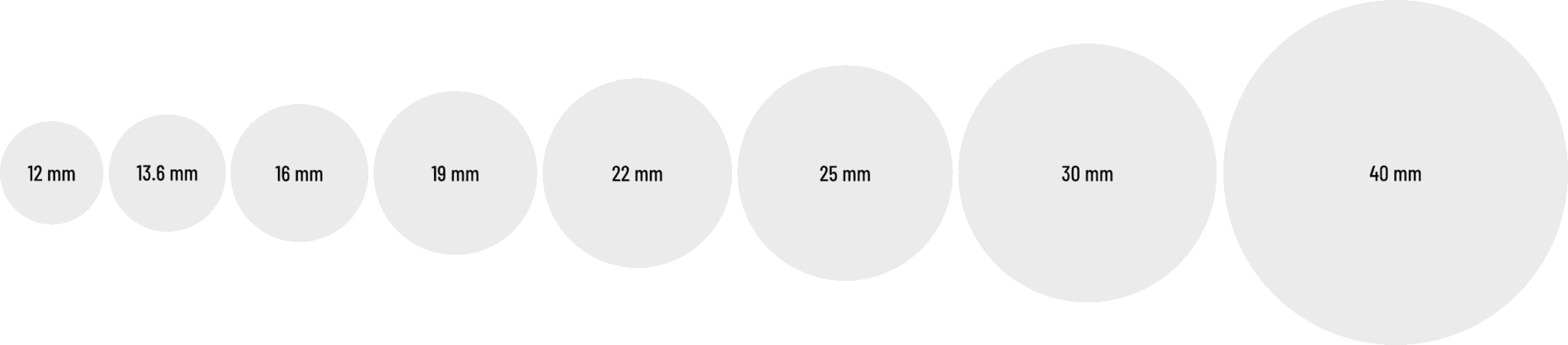
In most cases, a pushbutton is installed in a hole in a panel. The diameter of this hole will depend directly on your choice of design, the size of the machine, the importance given to the Function provided by the pushbutton etc…
The different diameters commonly used and standardized are shown below.
There are also smaller pushbuttons for electronic applications, which don’t necessarily have to be panel-mounted; these are usually soldered directly onto printed circuit boards.

About lighting…
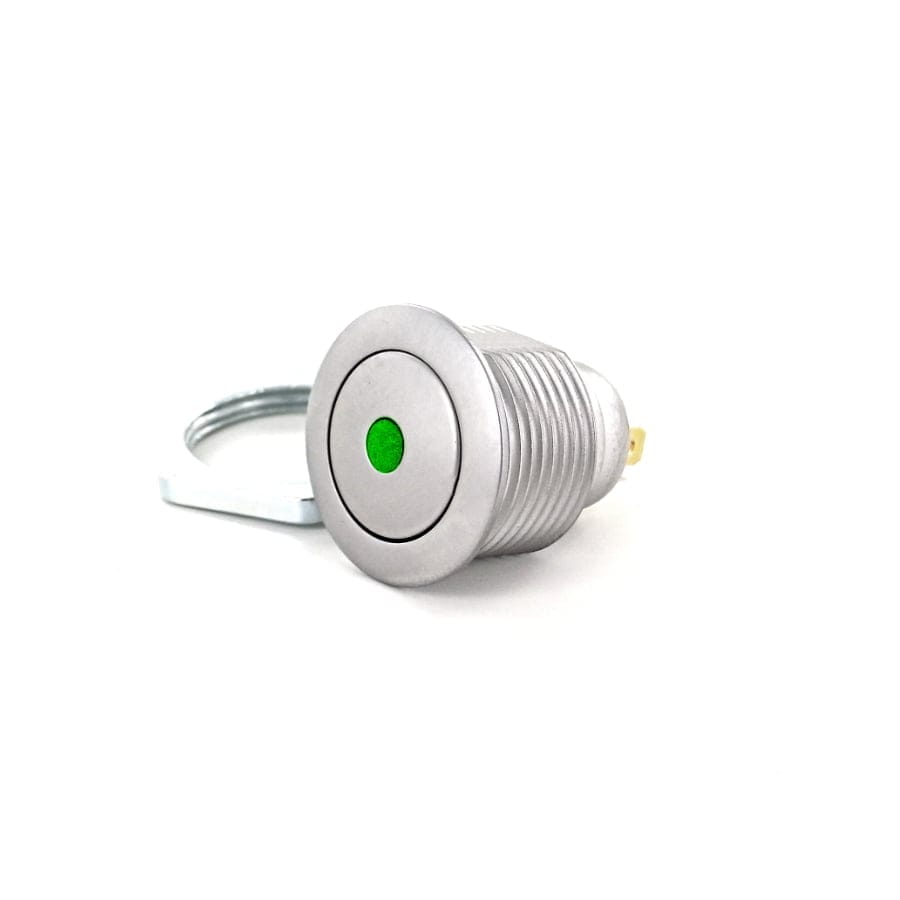
Equipped with integrated LEDs, these pushbuttons provide immediate visual feedback, clearly indicating their status (on or off). They are particularly useful in dark environments or for applications requiring rapid visual indication.
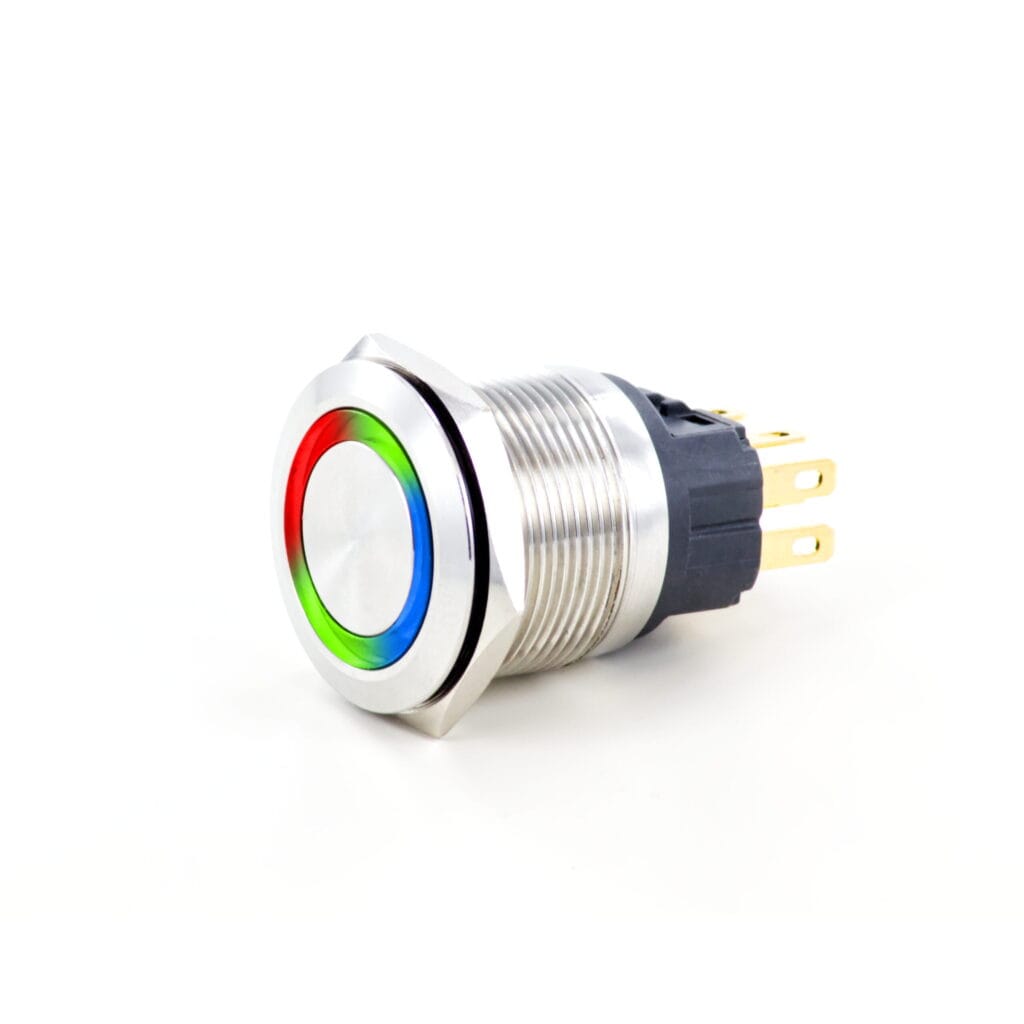
Illuminated pushbuttons offer a much higher level of visibility for the location of the switch. The illumination also indicates the status of the contact. Equipped with integrated LEDs, they are easily visible in low-light environments, such as on industrial machines, on-board equipment or in contact with the general public.
Several types of illumination are available: luminous central disc, luminous crown or luminous logo, they can also incorporate an entirely luminous touch. Integrated LEDs can be single-color, bi-color or RGB (red/green/blue). Some of Kynoppe’s pushbutton ranges feature LEDs that can even simulate millions of colors (such as the SIRIUS range).

Kynoppe offers its customers a U.DESIGN service for customized illuminated logos: inexpensive and easy to implement, it helps reinforce the visual impact of your application: Illuminated logos can be customized to match your corporate image and style. Contact us for more information!
About connectors…
Pushbuttons are connected to the electrical circuit by their “output”, the part of the switch outside the body which is used to connect it to the circuit.
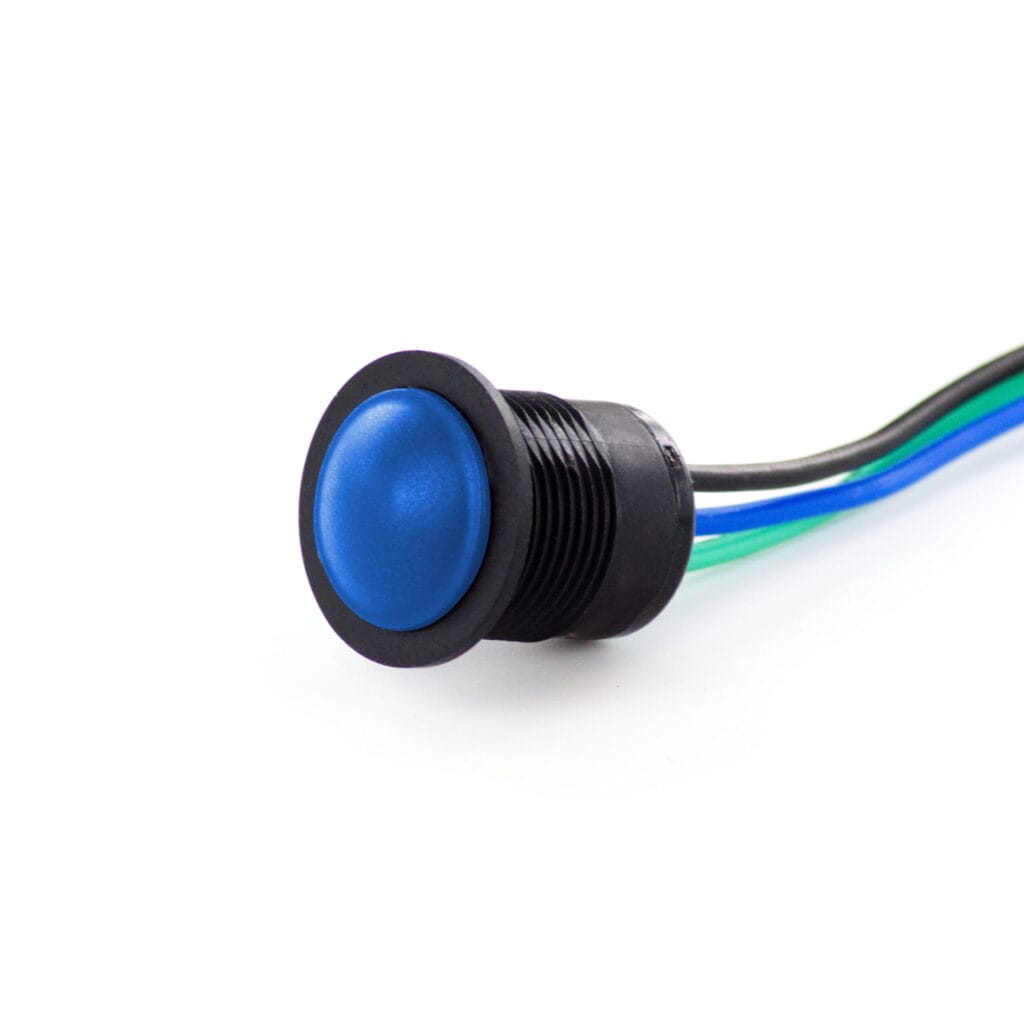
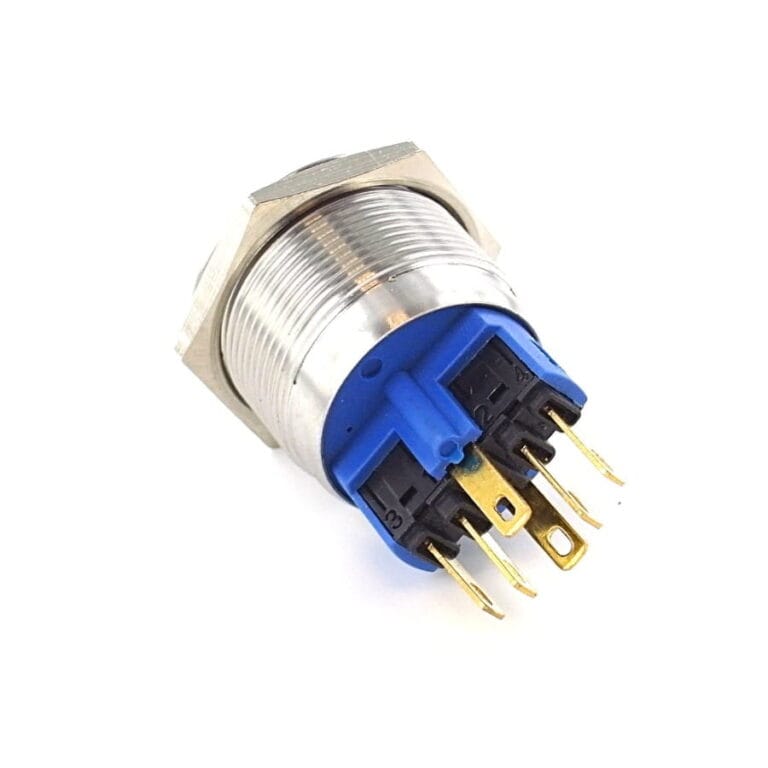
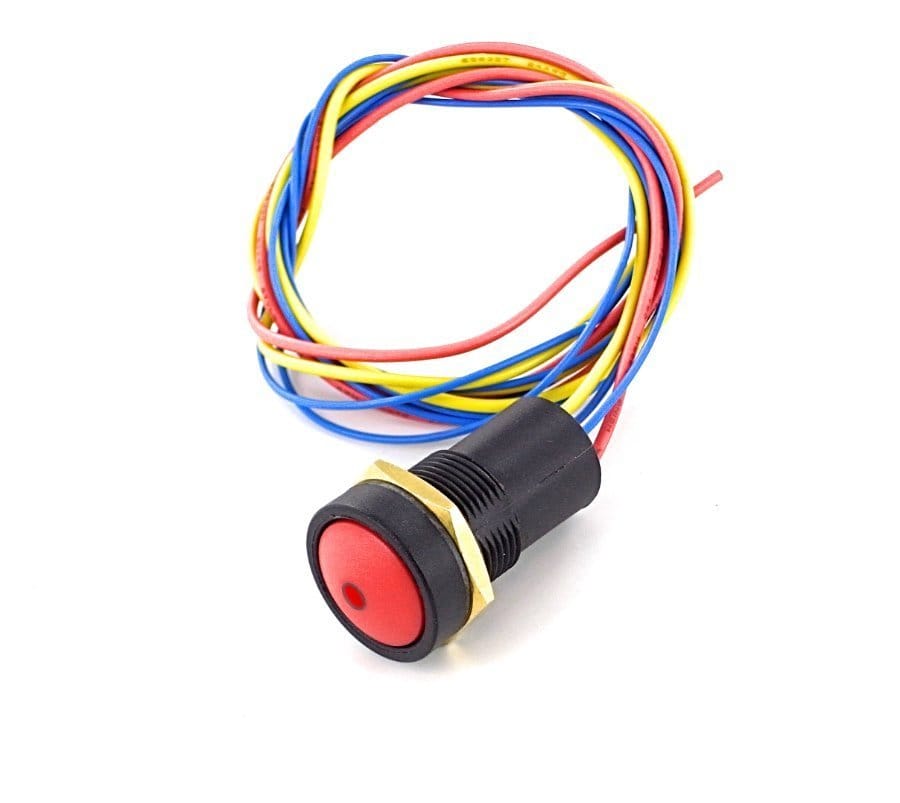
Several types of outputs are available: solder terminals, faston or mini-faston terminals, screw terminals, spring terminals, totally sealed wire or cable outputs, quick connectors…
Kynoppe offers its customers a custom wiring service for its pushbuttons. Contact us for more information!
- Lugs
- Screw Terminals
- Wire / Cable
- Connector
- Spring-loaded terminals

solder terminals
The most common and popular type of output. Wires are soldered directly to the lugs.
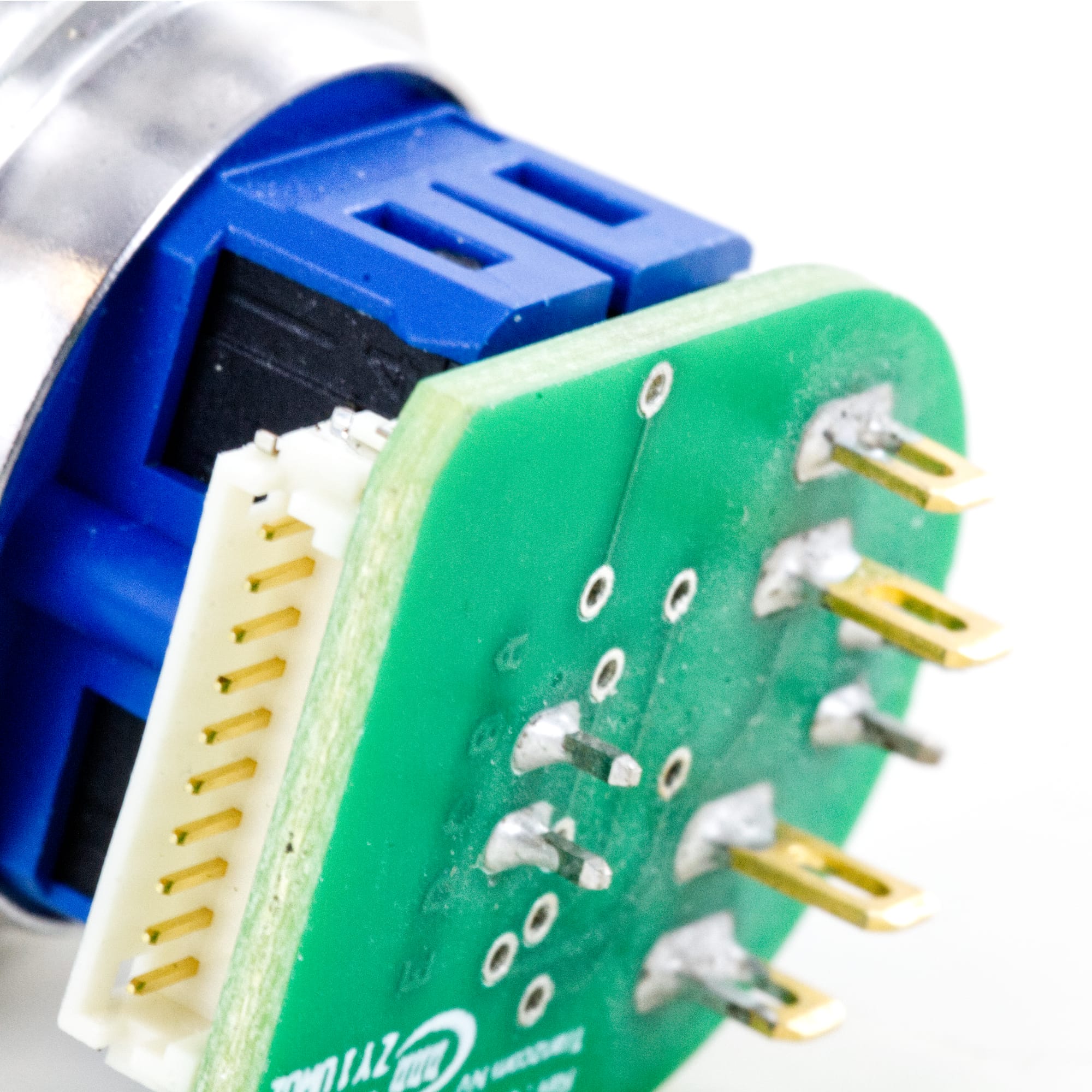
solder terminals
In some cases, special indentations allow them to be soldered onto printed circuit boards.
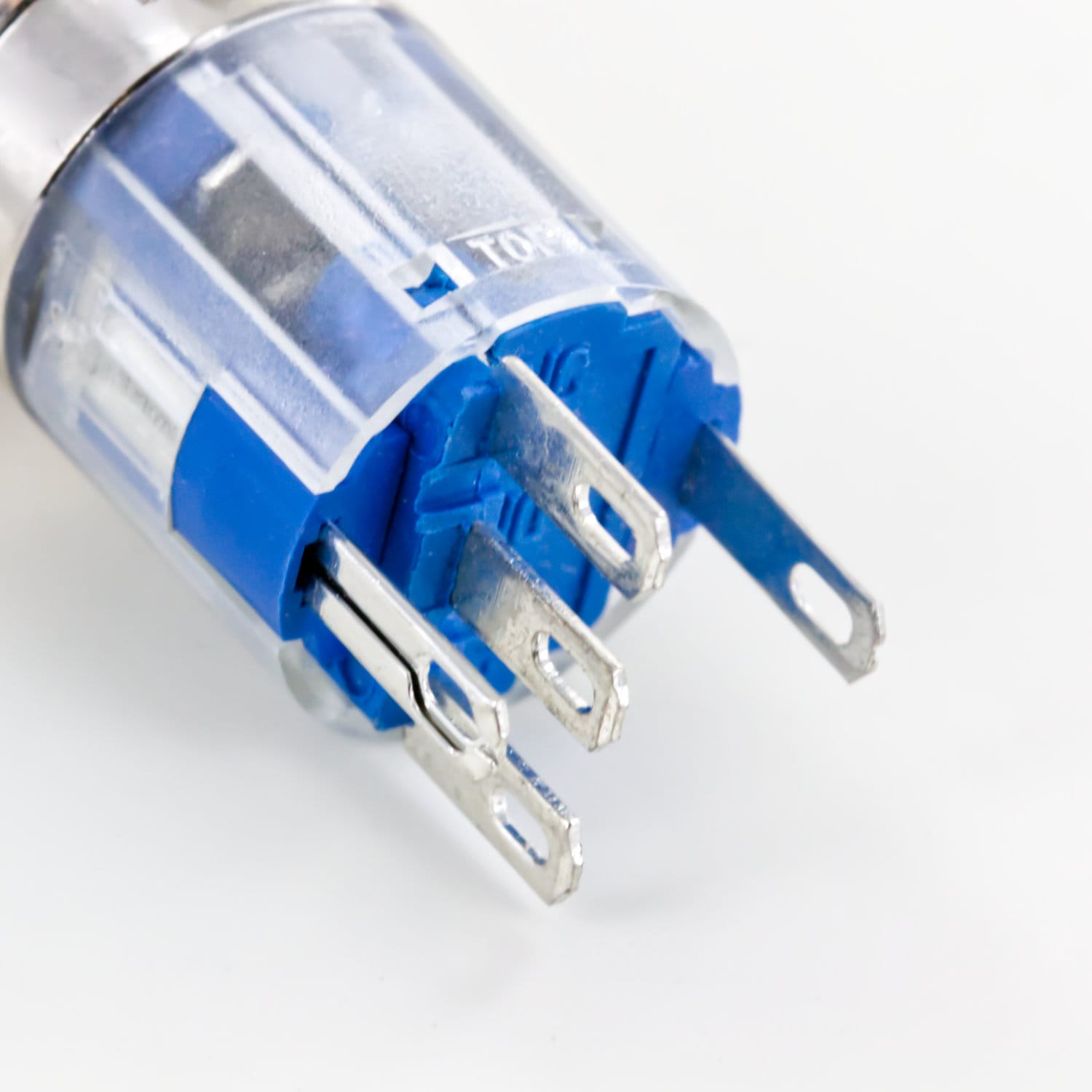
2.8 terminals
Also known as mini-faston connectors. These connectors are very interesting because they allow not only the use of 2.8 crimp female connectors, but also the soldering of wires.In some cases, also compatible with quick connectors.
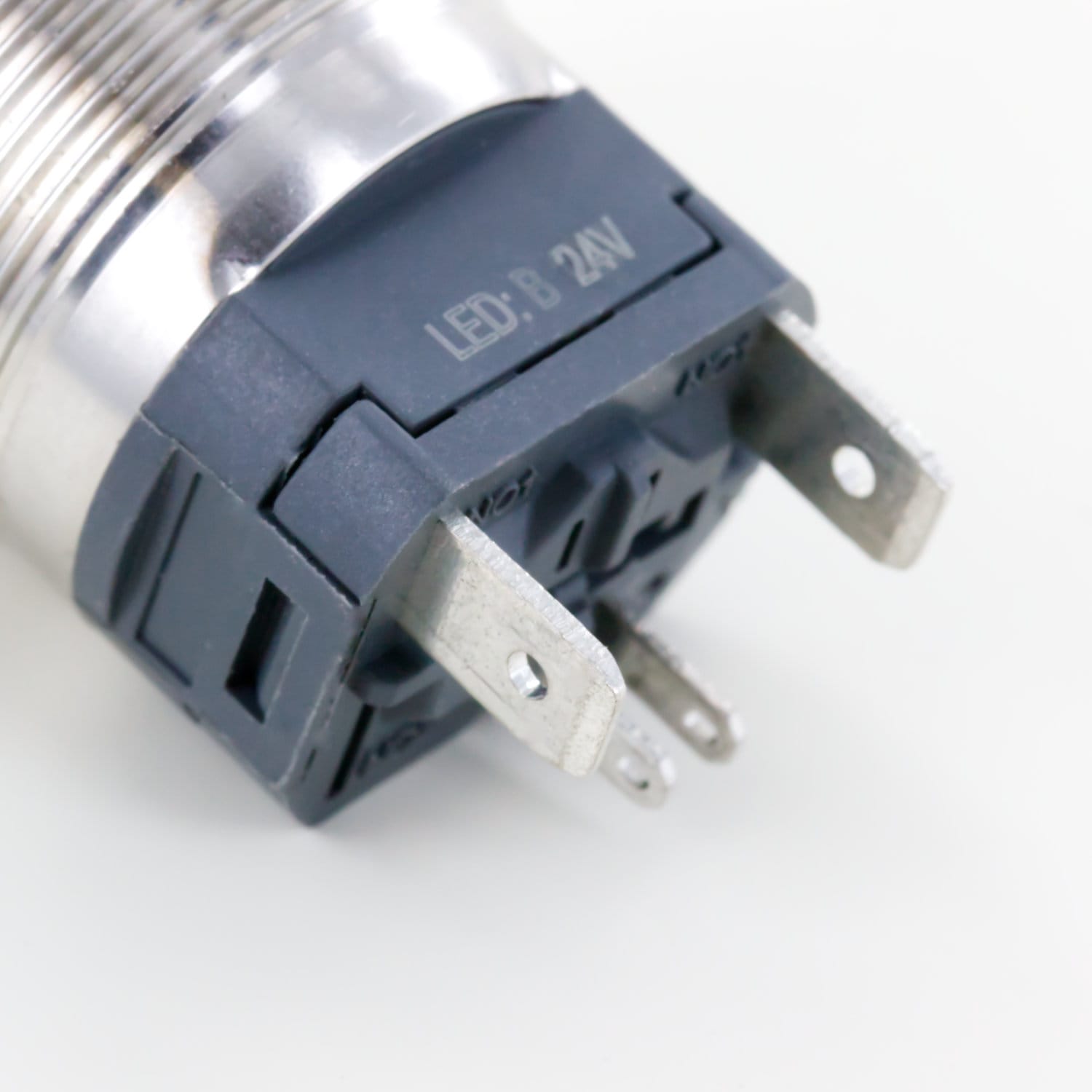
6.3 or 5 flat terminals
These connectors are very interesting because they allow not only the use of female crimp connectors, but also the soldering of wires.In some cases, also compatible with quick connectors.
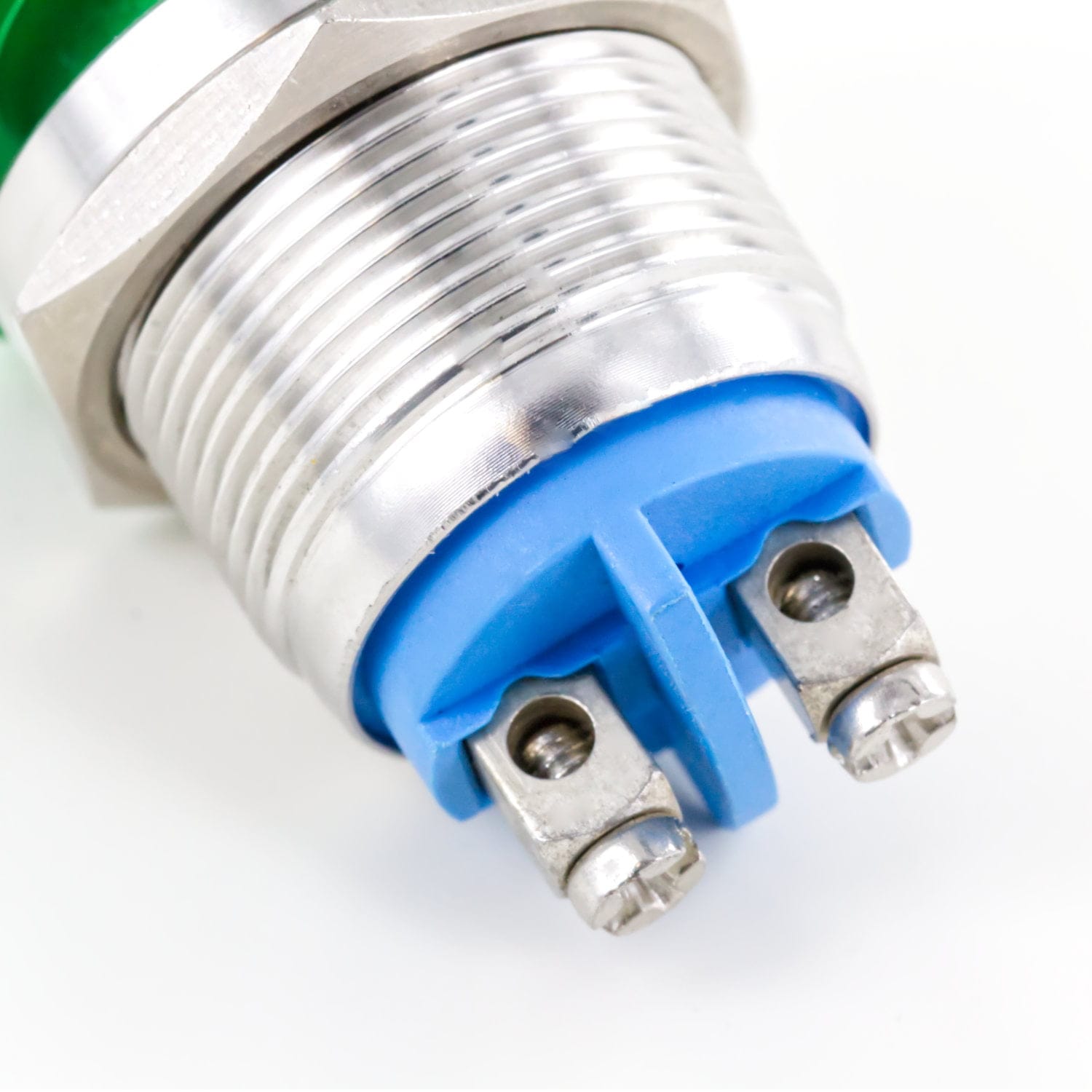
Screw terminals
Screw terminals are easy to use and allow the button to be installed on site without the need for special tools: no soldering or crimping is required.For certain applications where vibrations are omnipresent (e.g. transport), the use of screw terminals is to be avoided, if you want to avoid tightening campaigns ...
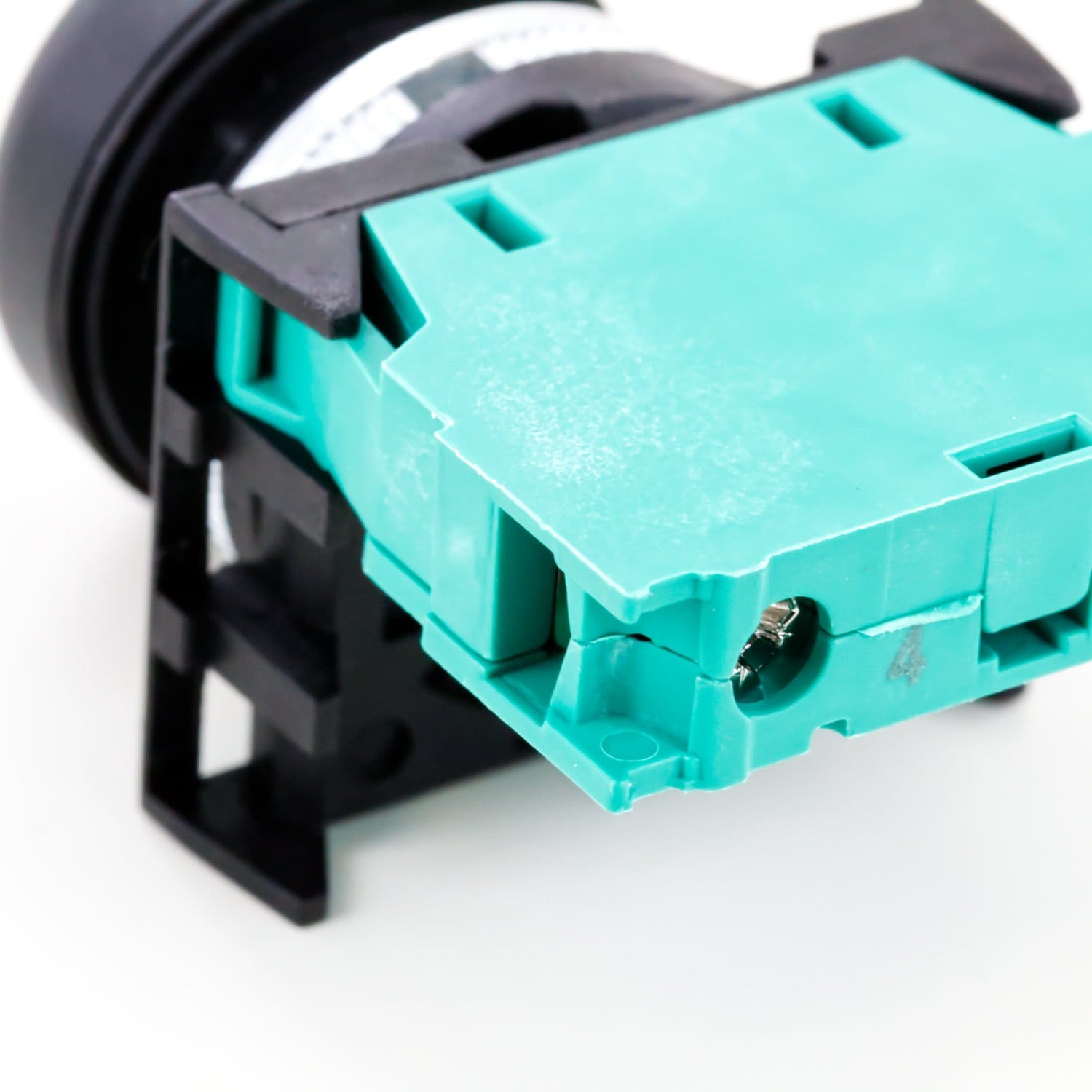
screw terminals
Example of screw terminals on a 22mm diameter industrial button fitted with an NO contact.
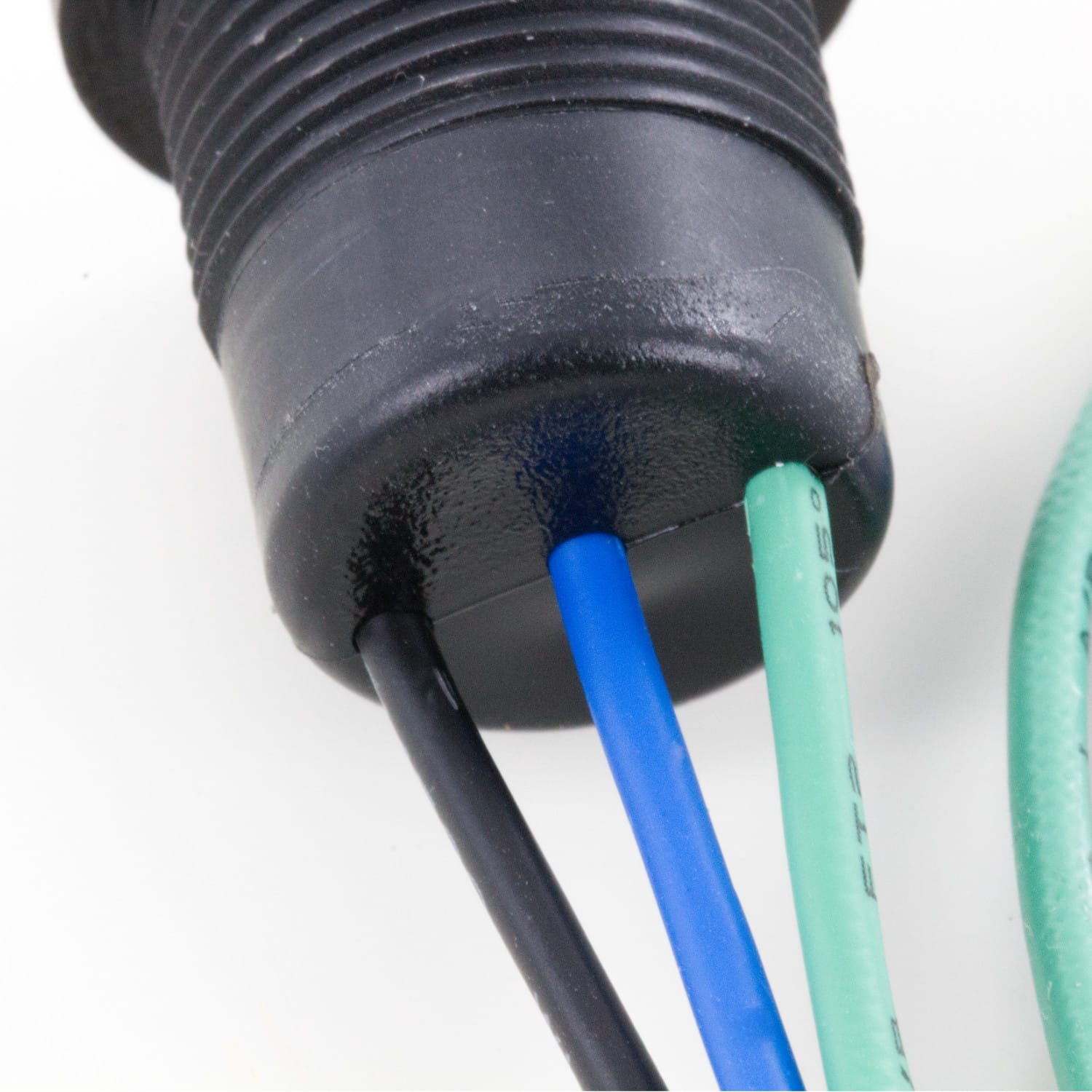
Wire output
Totally sealed wire output. Wires are soldered to lugs, and the back of the pushbutton is fully protected by an epoxy resin, ensuring IP67/68 watertightness even on the pushbutton output.This type of outlet is particularly recommended for very humid environments (swimming pools, spas, transport, car washes, etc.).
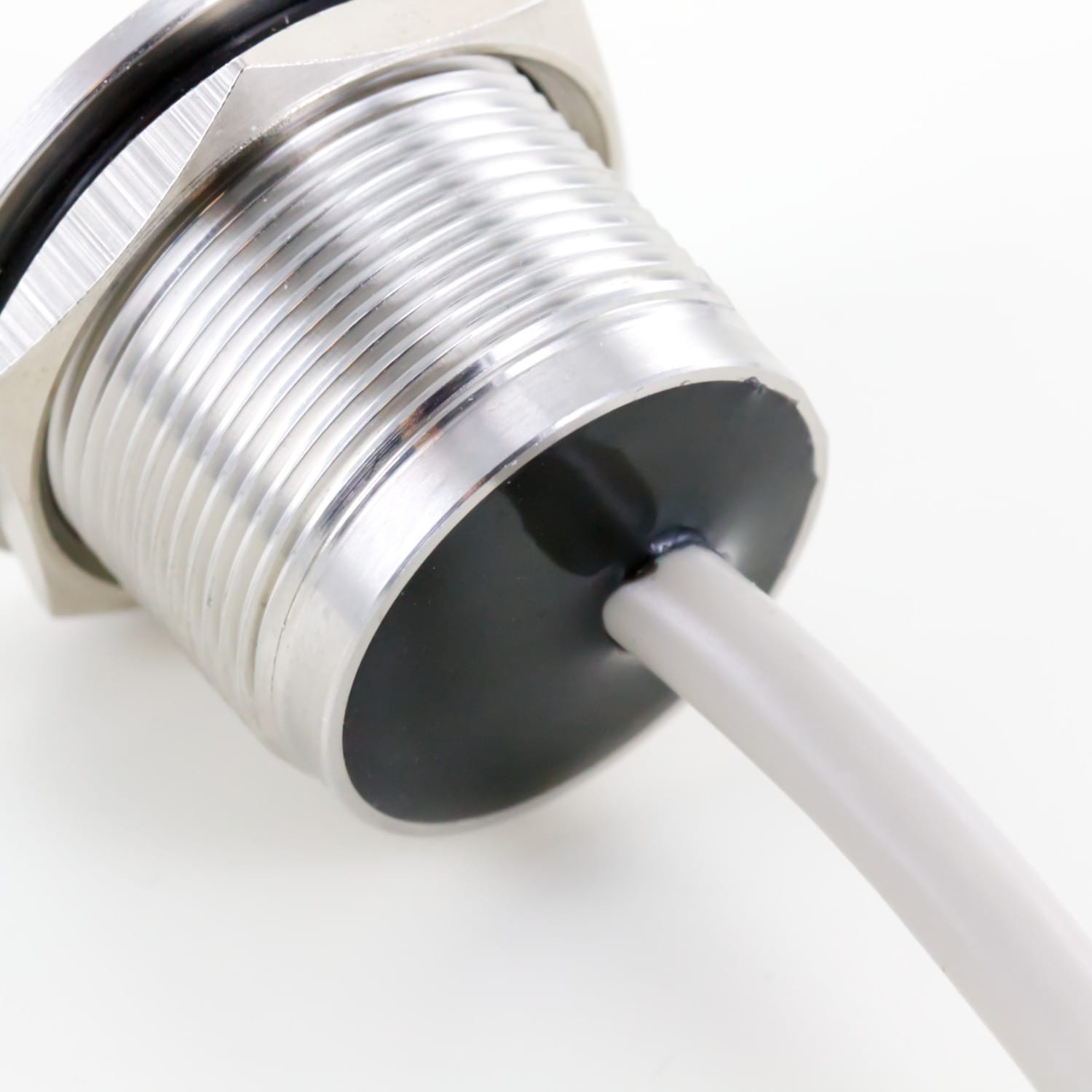
cable outlet
IP68 watertight cable outlet
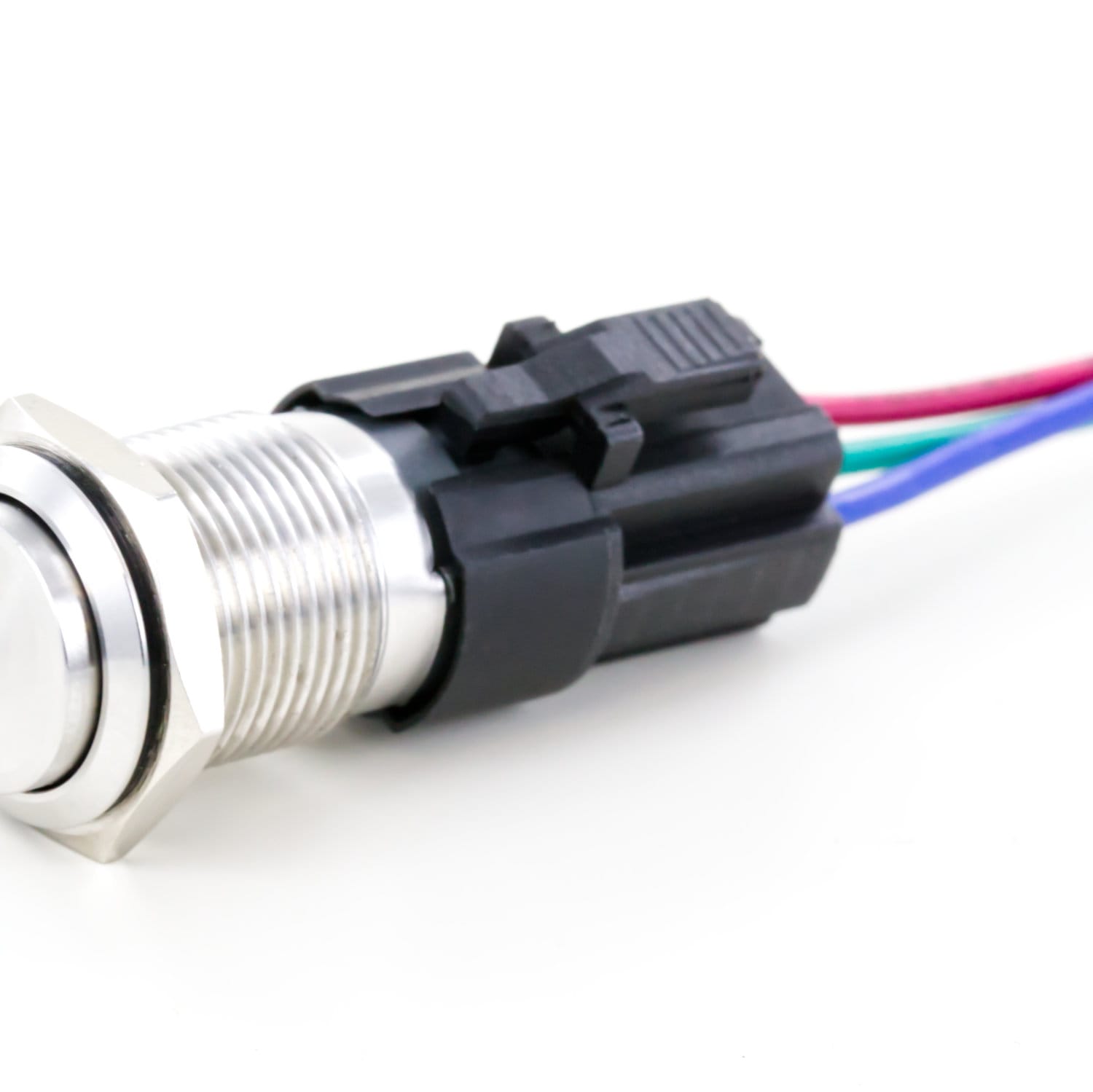
Quick connector
Available as an option on certain ranges of our vandal-proof pushbuttons (SOAV2, SOAV3, SOAV4, SOAV5, SIRIUS, ORION), the quick connector makes it much easier to install the pushbutton in its working environment. It also makes maintenance operations easier.Available as a wired kit, it is also available pre-wired with 15cm wires.
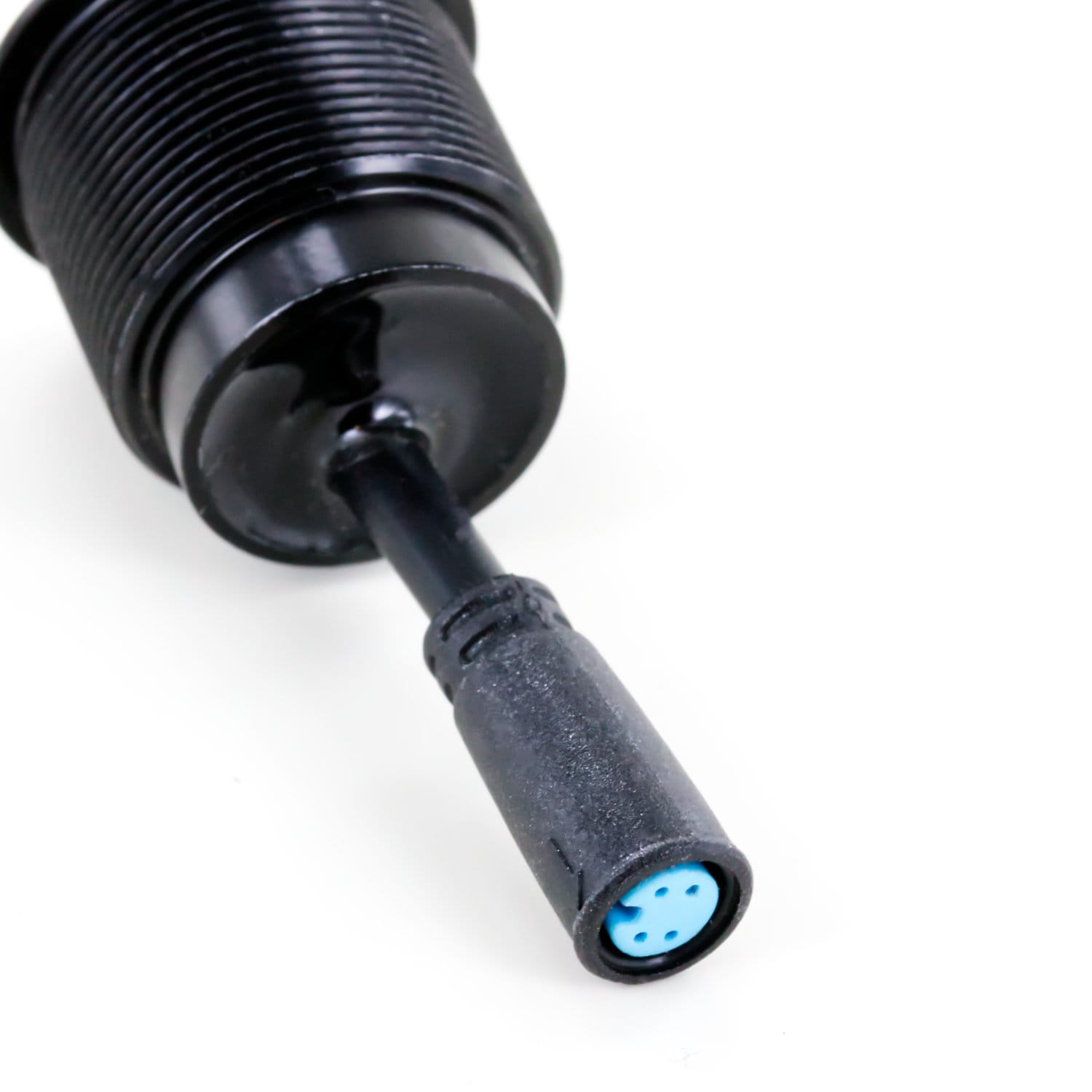
Custom quick connector
Example of customization: Fully sealed outlet with sealed circular connector.
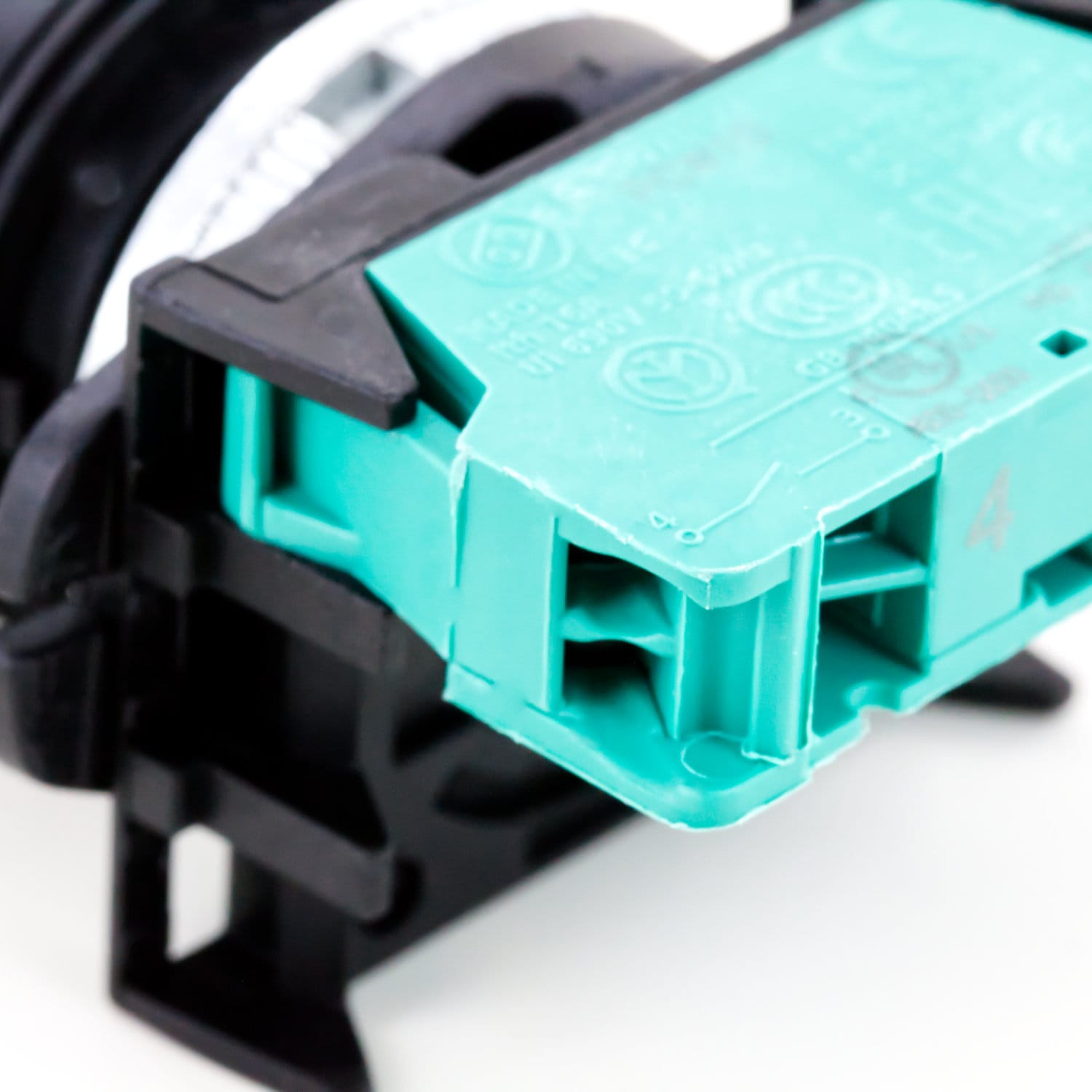
Spring-loaded terminals
Terminal type increasingly used on "industrial" pushbuttons dia.22mm for machine control. This output speeds up wiring operations thanks to its spring-loaded terminals.
About sealing…
If your application requires a good level of waterproofing, you’ll need to look for a pushbutton with a high IP rating, such as IP65, IP66, IP67, IP68 or IP69K. This rating, which is standardized, indicates a device’s level of protection against moisture and particles. A pushbutton with an IP65 rating will be protected against low-pressure water jets, while an IP69K-rated pushbutton will be protected against high-pressure and high-temperature jets, washdowns and steam-cleaning procedures.
Our technical glossary explains the different IP classes
Our pushbuttons (piezo and capacitive) are IP68/IP69K rated.
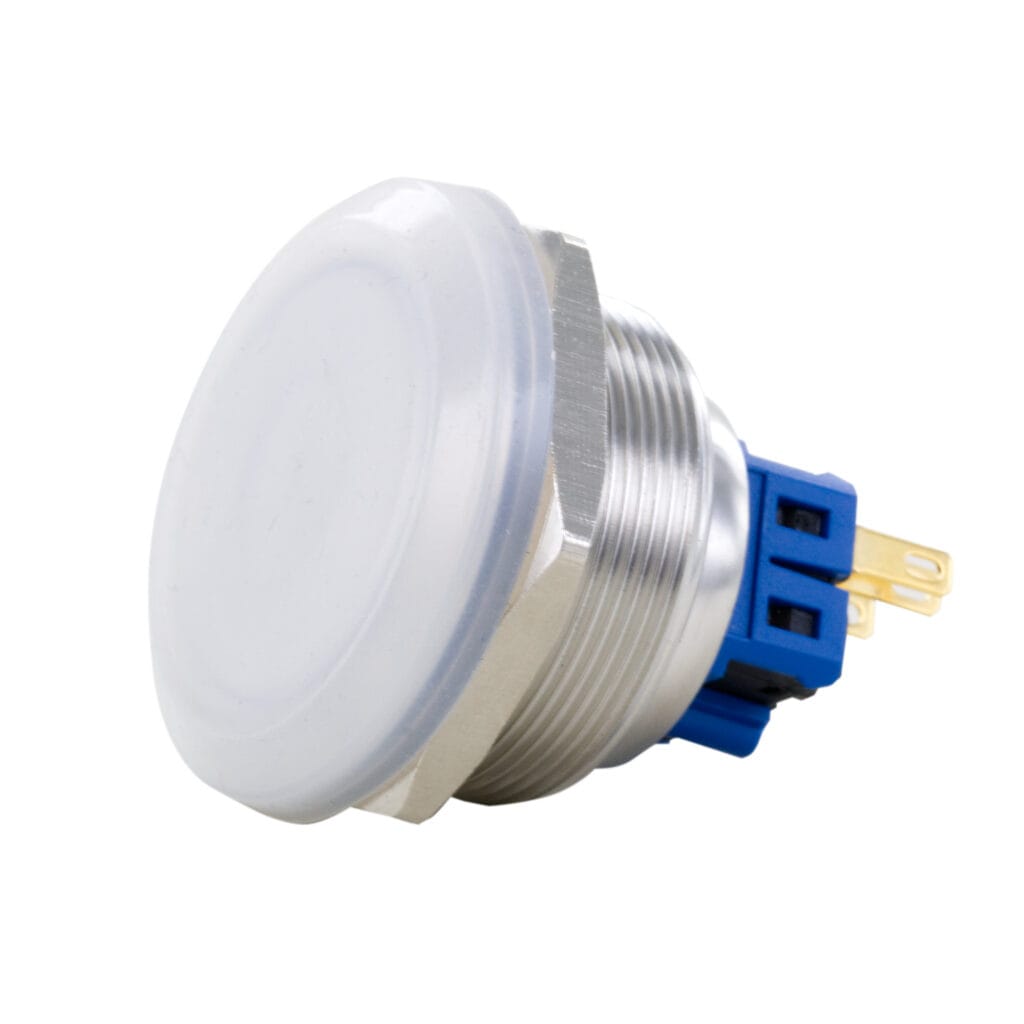
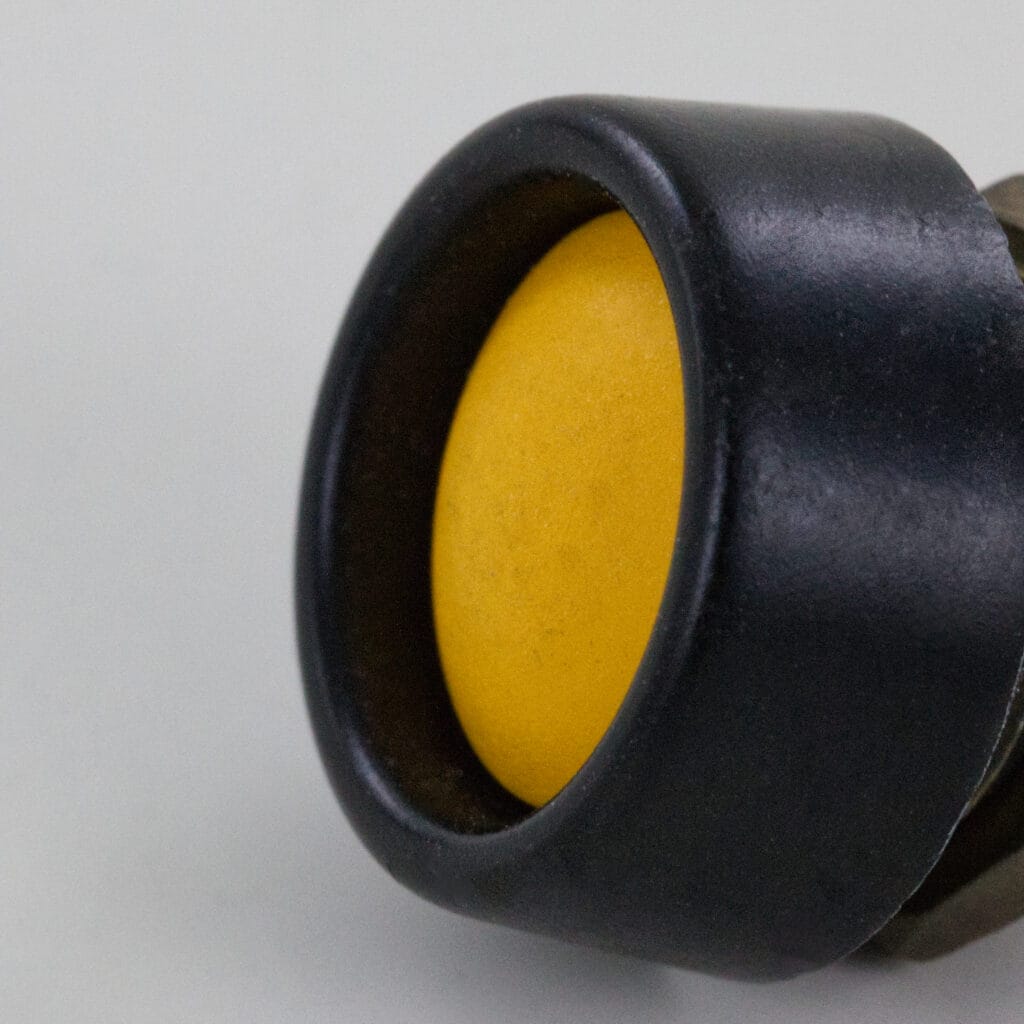
Most of our electromechanical pushbuttons are IP67 rated. Watertightness can be improved by fitting a silicone sealing cap to the pushbutton (this makes high-pressure washing possible). Some pushbuttons are designed to incorporate a silicone button as standard.


About materials…
- Plastic: Plastic pushbuttons are lightweight, economical and available in a variety of colors and shapes. They are often used in domestic and lightweight applications.
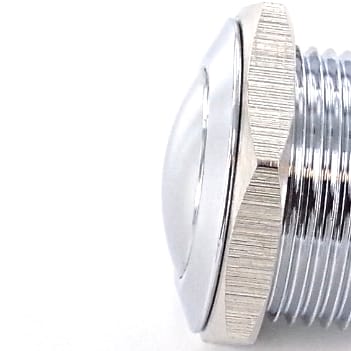
- Metal: Metal pushbuttons are robust and hard-wearing, suitable for industrial environments and applications requiring increased durability. They also offer greater resistance to extreme conditions such as heat, humidity and chemicals.
About the keys…
The shape and size of pushbuttons must be adapted to the end user to ensure comfortable and efficient use. Pushbuttons can be designed with textured surfaces, specific shapes or visual indicators to enhance ergonomics.
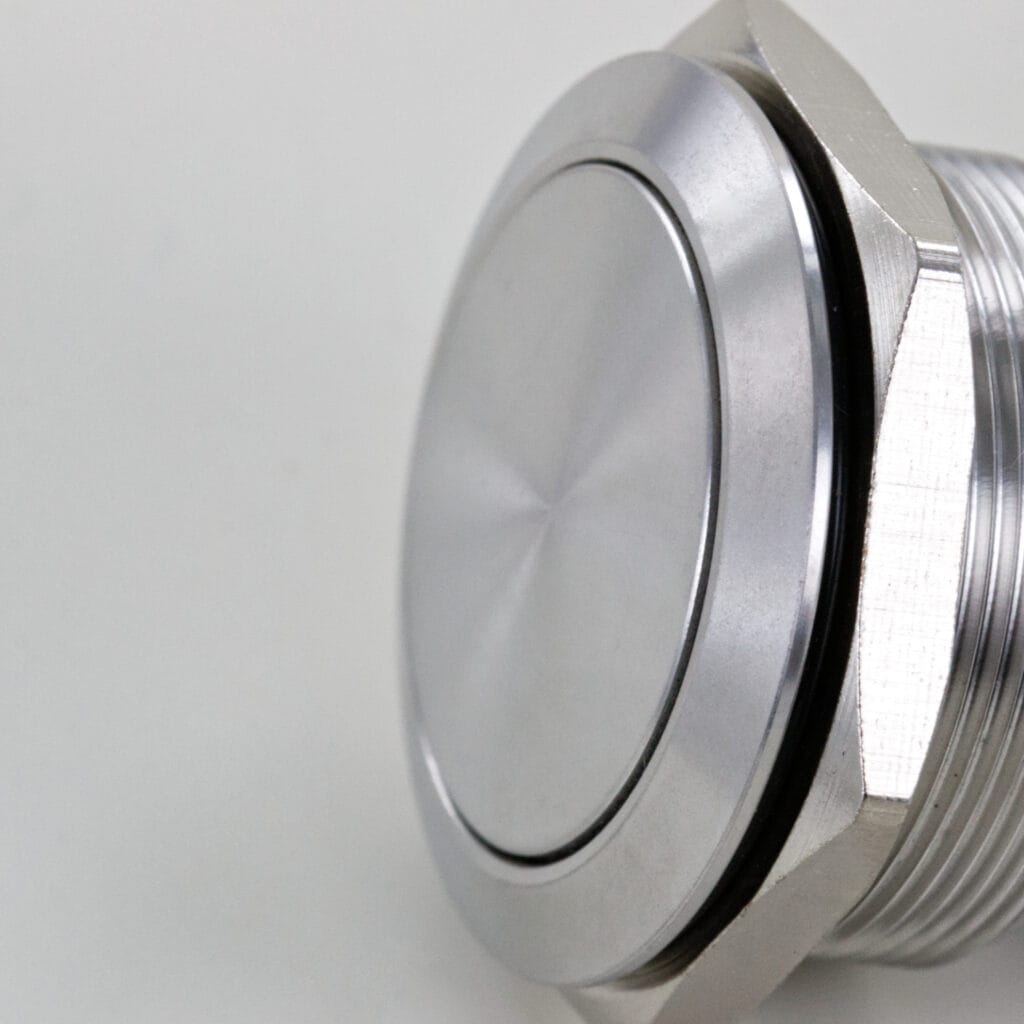
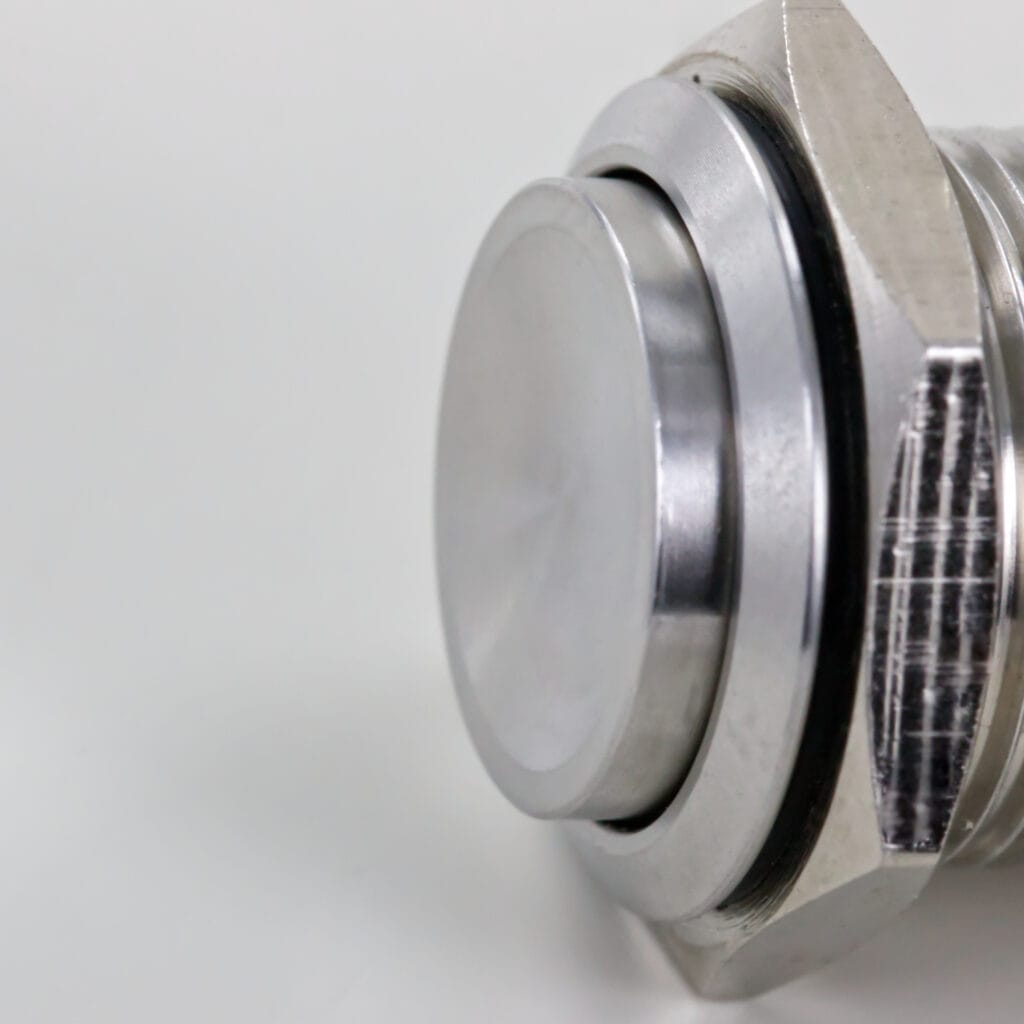
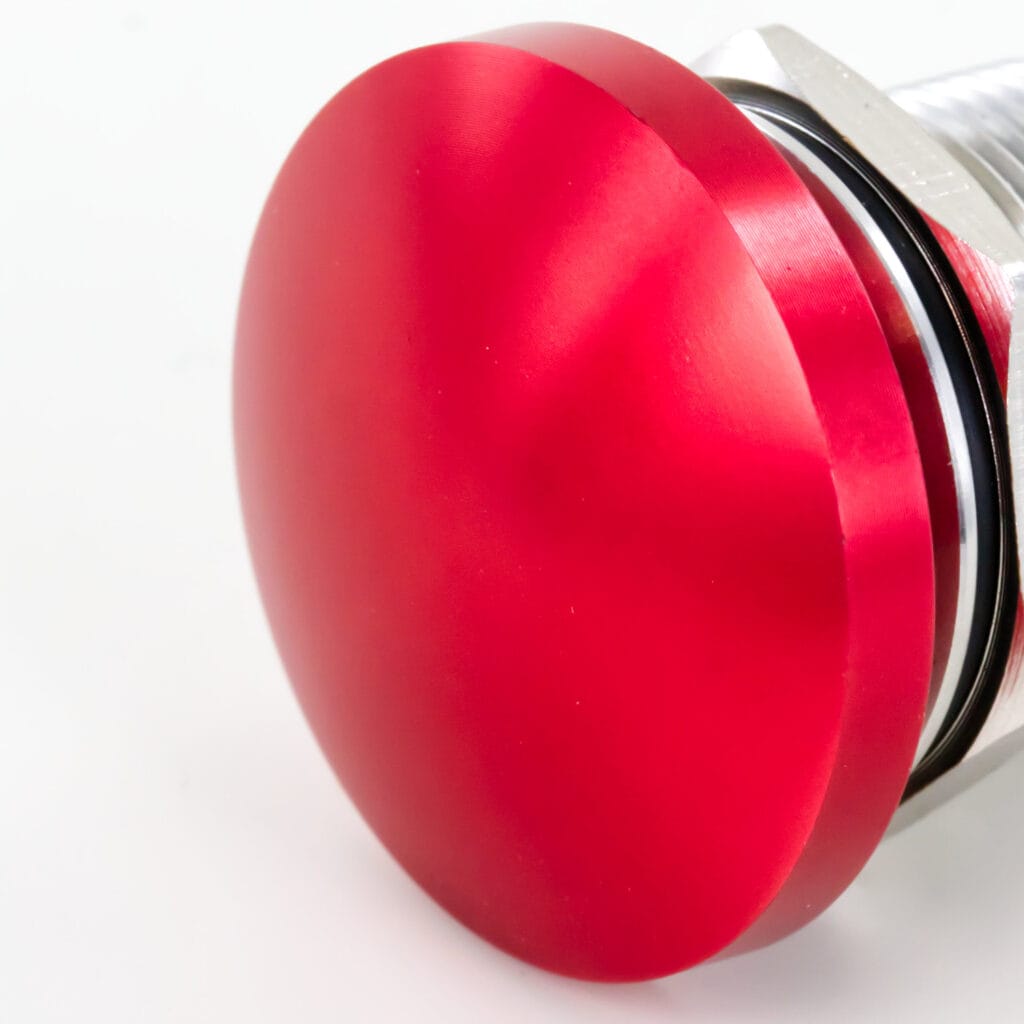
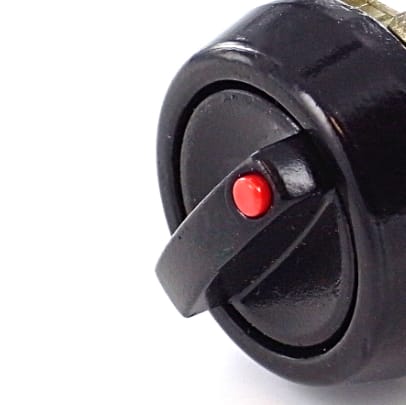
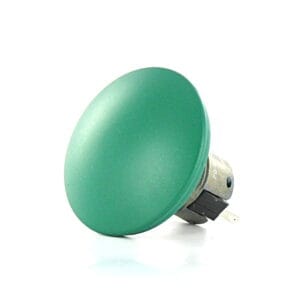
As a result, they are equipped with keys of various shapes, with round and curved keys being among the most common versions. You’ll also find shapes such as mushroom head, protruding, with flange, selector type etc…


For what purpose?
Pushbuttons are versatile components used in a multitude of applications, from domestic appliances to complex industrial systems. This section explores the different practical applications of pushbuttons, illustrating their importance and usefulness in a variety of contexts.
Domestic use
Pushbuttons are ubiquitous in our homes, where they facilitate many everyday tasks:
- Light switches: Used to turn lights on and off in rooms. Pushbuttons can be single or double, and some models feature LEDs for better visibility in the dark.
- Appliance controls: found on washing machines, microwaves, coffee makers and more. They can be used to start, stop or select specific programs.
- Security systems: alarm or panic pushbuttons installed in homes to alert people in case of emergency.
Industrial use
In industrial environments, pushbuttons play a crucial role in the control and safety of machines and processes:
- Machine controls: used to start, stop or adjust industrial machines. Industrial pushbuttons are often robust and designed to withstand harsh conditions.
- Control panels: integrated into control panels to manage various industrial processes. They can be used to activate systems, adjust parameters or trigger alarms.
- Emergency stop pushbuttons: Essential for safety, these pushbuttons stop machines immediately in the event of danger. They are usually red in color and easily accessible.
Transport use
Pushbuttons are also widely used in vehicles and transport infrastructures:
- Vehicles: Starter pushbuttons, power window controls, door lock pushbuttons, etc. They enhance driver and passenger convenience and safety.
- Public transport: Pushbuttons to open doors on buses, trains and subways. Designed to be durable and resistant to frequent use.
- Signalling systems: Used in stations, airports and other transport infrastructures to activate signals or announcements.
Other Applications
Pushbuttons are also used in a wide variety of other applications:
- Consumer electronics: found on remote controls, game consoles, audio and video equipment, etc.
- Medical equipment: Used to control various medical devices, such as diagnostic or treatment equipment.
- Public infrastructures: Pushbuttons for pedestrian traffic lights, vending machines, information kiosks, etc.
These examples demonstrate the versatility and importance of pushbuttons in our daily lives. By understanding their practical applications, you can better appreciate their essential role in facilitating many tasks and ensuring safety in a variety of contexts.
There are many different types of pushbutton, each with its own unique advantages. The version you need will depend on factors specific to your application, such as the intended task, the type of button, the number and type of contacts, the IP rating etc…
Kynoppe offers a very wide range of pushbuttons that will be ideally suited to your application; most of our products can be viewed on kynoppe.com, but nothing beats a direct direct contact with our technical sales department who will be happy to help you select the perfect solution!